
Feedback
AI Ad Video Example
Loading...
MiniMax H3 prompt
Explore the MiniMax H3 prompt format: role tags, timed shot blocks, camera moves and sound cues that render 2K video with stereo audio.
All Tools
Discover our comprehensive AI-powered animation toolkit
MiniMax H3
MiniMax H3 AI Video Generator
Seedance 2.5
The Future of AI Video Is Here.
Seedance 2.0
The Future of AI Video Is Here.
FLUX 3 Video Generator
Kling 3.0
Next-Gen AI Video Generator
Grok Video Generator
Create Videos from Text or Images with AI
MiniMax H3 video generator
MiniMax H3 AI Video Generator
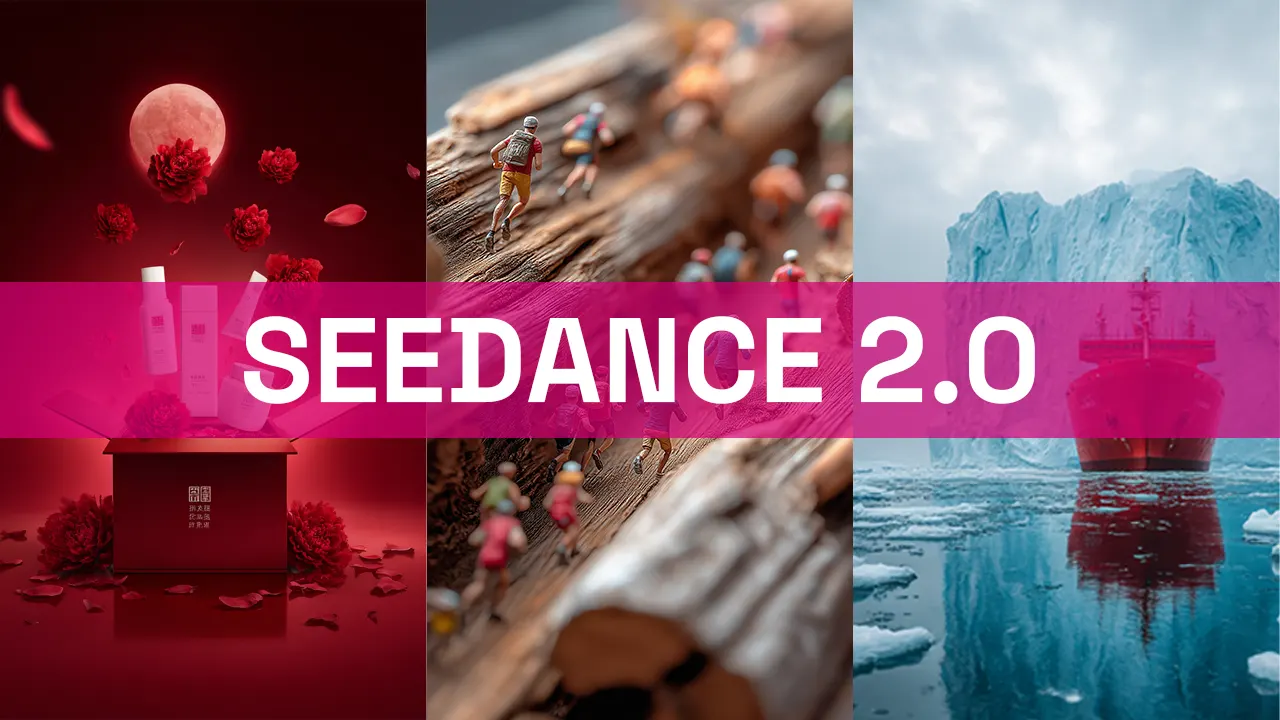
Seedance 2.0
The Future of AI Video Is Here.
The Anatomy of a Strong MiniMax H3 Prompt
Built for an open-weight multimodal video model, the MiniMax H3 prompt format covers 5–15 second clips at 2K and 24fps, complete with stereo audio. Because each request accepts up to 7,000 characters, you can label every reference asset, plan shots on a timeline, specify lens and sound choices, and hold a character's look steady across scenes — all from one message.
- Tag Every Reference by PurposeThe highest-leverage habit in the MiniMax H3 prompt workflow: state what each image, clip, or audio file contributes — mood, talent, product, style, or voice.
- Timeline-Based Shot PlanningSplit a multi-beat scene into [0-2s] and [2-4s] segments within a single MiniMax H3 prompt so pacing feels like film rather than a slideshow.
- Sound Design at Director-Level DetailDescribe score structure, effects, and cloned voices as carefully as visuals in your MiniMax H3 prompt — from sub-bass and hi-hats to foley and dialogue timing.
Building a MiniMax H3 Prompt, Step by Step
Follow four steps to shape a MiniMax H3 prompt that produces 2K footage with audio that lines up.
Core Techniques Behind a Great MiniMax H3 Prompt
The MiniMax H3 prompt habits that separate clean results from messy ones — purpose-tagged references, second-by-second shot plans, sound direction, exclusion rules, identity locking, edit constraints, film language, and physical transitions.
Exclusion Rules That Steer Output
Tell the model what to leave out of your MiniMax H3 prompt — 'no soft dissolves', 'no garbled on-screen text', 'no sudden jolts' — and it drifts far less often.
Keeping Characters and Props Consistent
List the details that define a character, product, or setting inside the MiniMax H3 prompt — hair, wardrobe, props, typography — and they carry across every cut.
Pairing Edits with Constraints
When revising, state both the change and what must not move in the MiniMax H3 prompt, so you get a localized fix instead of a full re-render.
Speaking in Cinematography Terms
Describe shot size, lens behavior, exposure, and film texture — handheld sway, rack focus, wide-angle distortion, grain — right inside the MiniMax H3 prompt.
Transitions Written as Actions
Frame each cut as something physical — a whip pan, motion blur, optical smear, exposure flicker — which reads better than naming an effect in the MiniMax H3 prompt.
Room for a Full 7,000-Character Plan
Fit an entire shot list plus sound design into one MiniMax H3 prompt — scene, timed beats, audio, and constraints sent as a single request.
MiniMax H3 Prompt: Frequently Asked Questions
Answers to the questions people ask most when they start writing a MiniMax H3 prompt.
What exactly is a MiniMax H3 prompt guide?
It collects proven practices for prompting MiniMax's open-weight multimodal video model. Expect coverage of reference roles, second-by-second shot planning, sound direction, exclusion rules, identity locking, and film-style language for 2K output with stereo audio.
How much text can one prompt hold?
As much as 7,000 characters — enough room for a complete shot list with timed beats, camera work, audio design, and constraints inside a single MiniMax H3 prompt.
How should I manage several reference files?
Give each one an explicit job in your MiniMax H3 prompt — 'Image 1 for mood, Image 2 for talent, Audio 1 for voice' — with support for up to 9 images, 3 video clips, and 3 audio files per request.
Do I need to write sound into the prompt?
Definitely — treat audio as another scene element in the MiniMax H3 prompt. Spell out score structure, instrument timing, foley, and dialogue so the generated sound tracks the edit.
How can I keep a character looking the same?
Anchor identity by naming defining traits — hair, wardrobe, props, setting details — in the MiniMax H3 prompt, then repeat those markers across every timed beat and cut.
What tends to break a prompt?
Loose pacing and unwanted styles. Replace slideshow-style sequences with timed blocks, and add exclusion directions to your MiniMax H3 prompt to filter out elements you don't want.
Write Your First MiniMax H3 Prompt Now
Put the MiniMax H3 prompt method to work and produce 2K footage with its own stereo track — reference roles, timed shot lists, film-style camera notes, and detailed sound cues, all in one message.